

Board and batten style siding is enjoying a resurgence as a way to create visual interest in an otherwise blank wall. Many believe board and batten style is a timeless look that can leave your home’s exterior with major curb appeal for years to come.
Everything You Need to Know About Board & Batten Style Siding
Board and batten style siding is enjoying a resurgence as a way to create visual interest in an otherwise blank wall. Many believe board and batten style is a timeless look that can leave your home’s exterior with major curb appeal for years to come.
What Is Batten Board Style Siding?
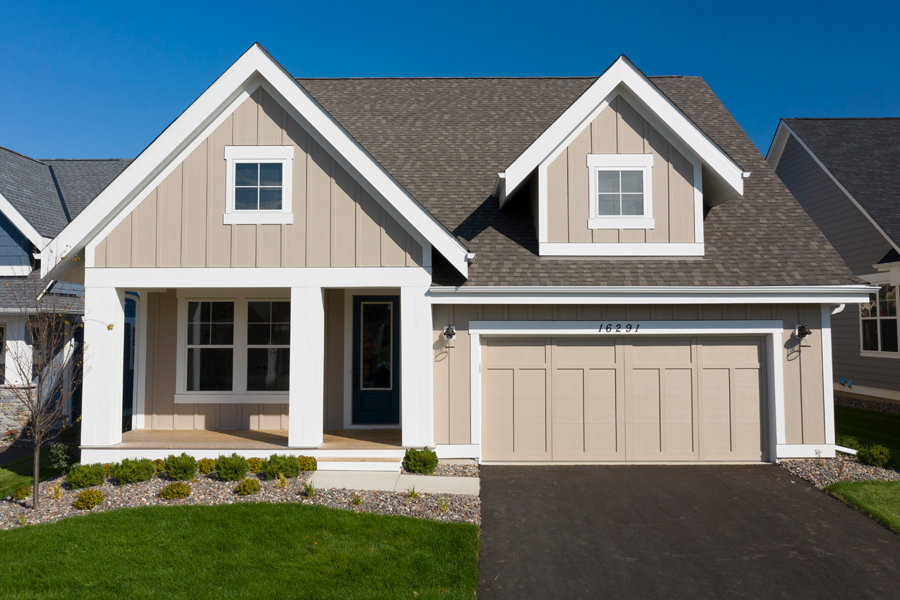
Board and batten style is the name for a style of siding where thin strips of wood molding—or “battens”—are placed over the vertical seams of panel or vertical sidings. The result is an aesthetic that is both rustic and trendy with the strong vertical lines providing shadows and textures to the home exterior.
Since the U.S. was first settled, board and batten style was used for outbuildings such as barns and sheds. That’s why some areas of the country still call it “barn siding.” Batten strips were used over the seams of the siding, creating a siding that helped to stop the outside elements from entering through the joints, keeping farm animals warm through the harsh winters.
Modern Board and Batten Style
Many different design looks can be achieved using board and batten style siding, including:
-
Installed using panel siding
-
Installed using vertical siding
-
Installed using lap installed vertically
-
Using thin battens
-
Using wider battens
-
Varying thin and wide battens
-
Installing board and batten style siding on the full exterior of a home or to accent a wall/feature
-
Using board and batten style on second story
-
Mixing board and batten style with brick veneer
-
Mixing board and batten style with metal roofing
However it’s used, board and batten style siding can provide a clean, modern texture to your home, providing character and cozy warmth to the exterior.
Is Board and Batten Style Siding More Expensive Than Other Types of Siding?
The cost of achieving the board and batten look varies according to home size, style, type of materials and professional labor. Generally, things that impact board and batten style siding costs are:
-
Size – As expected, larger homes require more materials and labor.
-
Design – Unusual or more complicated designs require additional labor time measuring, cutting and installing.
-
Overall Project – Overall board and batten style siding costs may be minimal if you are not re-siding the entire home. Focusing on the front façade of your home is a great way to achieve the look you want while saving money.
-
Quality – Cheaper materials are available, but in the long run they will require extensive maintenance and upkeep and could be susceptible to weather.
How Durable Is Board and Batten Style Siding?
While board and batten style exterior siding is typically wood, it can be made from vinyl, fiber cement or steel. But when it comes to durability, engineered wood siding is a smarter buy compared to solid wood siding because it has the look of cedar texture but features greater durability and easier maintenance.
LP® SmartSide® Trim & Siding is an engineered wood siding that features the proprietary SmartGuard® process to help protect against hail, moisture, and resistance against fungal decay and termites. Combining LP SmartSide siding with trim to create a board and batten look is a smart way to help get the durability you’re looking for with a warranty you’ll appreciate.
Source: Everything You Need to Know About Board & Batten Style Siding | Blog

